Eight Genres, One Piano: the Range of Piano Reveries
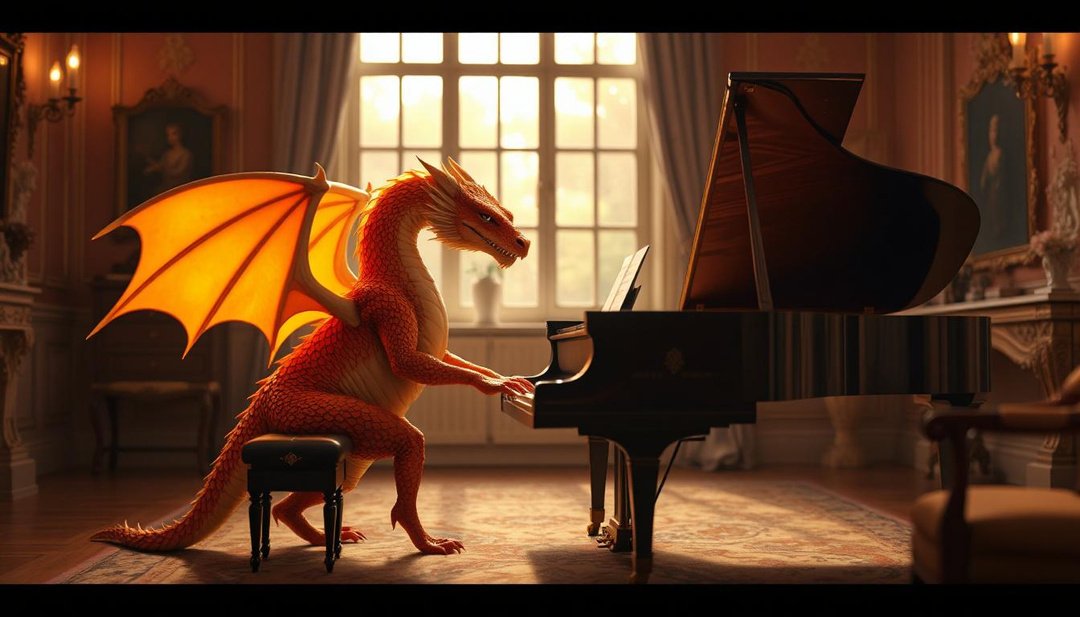
Most solo piano albums pick one mood and stay there. Piano Reveries does the opposite. Look down the tracklist on the music page and the Piano Reveries genres read like a playlist made by a friend with very wide taste: classical, jazz, funk and soul, flamenco, chillwave, pop, and big thematic pieces that feel like film score.
All of it is played on one instrument. This post is a guided walk through that range, so you know where to start and what to listen for.
One instrument, many rooms
Think of the album as a house with a lot of rooms. Every room has the same piano in it, but the furniture changes. One room is formal and tidy. The next has the lights turned low. Another has a dance floor.
That’s the trick of a genre-spanning piano album. There’s no drum kit to say “this is funk” and no guitar to say “this is flamenco.” The piano has to carry the whole style by itself, through rhythm, harmony, and touch. When it works, you hear the genre without any of the usual instruments in the room.
Across 22 tracks, Michael Clinesmith uses that freedom on purpose. The album page counts eight genres in total, and each track wears its label right next to its title. It’s a fun way to browse: pick the genre you’re in the mood for and press play.
The classical backbone
If the album has a home base, it’s classical. The record opens with After the Storm, a 6:44 piece tagged Classical, and that label shows up again and again as the album unfolds.
Jade’s Lullaby is classical too, and at just under three minutes it’s one of the gentlest places to land. Then comes the most traditional stretch of the whole record: the three-movement Sonatina in G. A sonatina is a small sonata, a classical form with contrasting movements, and here the three parts run 5:21, 3:15, and 2:46.
There’s also a neighbor to all this. Minor Major 2 carries a Neo-Classical tag, and at 7:56 it’s one of the longest tracks on the album. It’s classical thinking with a modern frame around it.
This backbone matters. It gives the more adventurous tracks something to push against, and it gives a first-time listener a familiar place to start. If you want to go deeper on the classical side, we wrote a full spotlight on the Sonatina in G.
Jazz, funk, and flamenco color
Here’s where the album starts to surprise people.
Minor Major is tagged Funk/Soul, and it runs 7:29. Funk on a solo piano lives in the left hand and the rhythm: the groove has to come from the keys themselves, with no bass player to lean on. Put it next to Minor Major 2 and you get a neat pair, one idea taken in two directions, one soulful and one neo-classical. We covered both in our Minor Major spotlight.
For Grandma also carries the Funk/Soul label, which might not be what you’d guess from the title. That’s part of the charm of this tracklist. The labels are honest about the style even when the titles point somewhere more tender.
Lovely Night is the album’s jazz track. It’s 3:19 of after-dark piano, the kind of thing that fits a quiet evening and a warm drink.
And then there’s The Joy in Life, tagged Flamenco. Flamenco is a style most people tie to guitar, hand claps, and dance, so hearing it on solo piano is a bit of a left turn. At 2:27 it’s short, bright, and over before you’re ready. Our spotlight on The Joy in Life digs into it.
Chillwave, pop, and film-score moments
The last group of genres leans modern.
Bb Melody is the album’s chillwave track. Chillwave usually means hazy, relaxed electronic music, so a piano take on it is about the mood more than the gear: easy, drifting, good for the background of a slow afternoon. It runs 4:07.
Dance in D is the pop track, and it’s a quick 2:19. Pop on piano is all about a clear tune you can hum after one listen, and this one is built to stick.
Then come the big ones. Working Through It and The Sun Will Rise Again are both tagged Thematic, the album’s word for its film-score side. These are the pieces that feel like they belong under a story. The Sun Will Rise Again is the longest track on the record at 8:42, and it sits right near the end, like a closing scene.
It makes sense that this side of the album exists. Michael also composes for games, including the soundtrack for his own RPG Rebellion on Steam. If the thematic tracks are your favorites, the Rebellion Soundtrack DLC is the natural next stop.

Why it still sounds like one album
With this many styles, you might expect a grab bag. It doesn’t play that way, and there are a few reasons.
First, it’s one player and one piano the whole way through. The sound of the instrument ties every track together, whether it’s a sonatina or a funk groove.
Second, a big part of the album simply wears the label Piano. Tracks like Play in the Grass, Two Beat, Step and Dance, Race, Bouncing Left Hand, Melody in C, and Joyous don’t need a genre badge. They’re piano pieces first, and they act like the hallways between the themed rooms, keeping the walk smooth.
Third, the album ends on a personal note. Happy Anniversary is tagged Piano/Voice and runs just 49 seconds. After all the range that came before, it closes the record the way a letter ends: short, warm, and signed.
That mix is what makes Piano Reveries a solo piano album you can listen to in order, or shuffle by mood, and enjoy either way.
Hear all the Piano Reveries genres
The best way to hear the album’s range is to sample one track from each genre. Try After the Storm for classical, Lovely Night for jazz, Minor Major for funk, The Joy in Life for flamenco, Bb Melody for chillwave, Dance in D for pop, and The Sun Will Rise Again for the film-score side. That’s a seven-track tasting menu.
You can preview every track and buy the full album or single tracks on the music page. If you’d rather stream, Piano Reveries is out on the major services through this listening link.
Rather play than listen? Michael’s published sheet music is on Sheet Music Plus and Sheet Music Direct. For videos and updates, follow along on YouTube. And if you’d like to help an indie composer keep writing across all these styles, Patreon is the most direct way to support the work.
If you need music with this kind of range for your own project, Michael takes custom score work through SoundBetter.
If this resonated, you can listen to and buy Piano Reveries, learn more about the music, or get in touch about a custom score.
 Track Spotlight
: "Step and Dance" — Piano Reveries Finds Its Footing
A spotlight on "Step and Dance," track 15 of Michael Clinesmith's Piano Reveries: a 4:53 solo piano piece that opens the album's five-track piano run. What to listen for, and where to hear, buy, stream, and play it.
Where to Listen How to Add Piano Reveries to Your Playlist
A quick guide to saving Piano Reveries by Michael Clinesmith on Spotify or Apple Music, and the moods it fits — focus, reading, rest, and quiet mornings.
Behind the Music When Piano Reveries Met a Full Band: the Vassar City Band Performance
In 2025 the Vassar City Band performed Piano Reveries as a full ensemble. How Michael Clinesmith's solo piano pieces grew into band arrangements.