Track Spotlight: "After the Storm" — The Opener of Piano Reveries

Every album has to start somewhere, and “After the Storm” is where Piano Reveries begins. It’s the first track on Michael Clinesmith’s 22-piece solo piano album, and it earns that spot — a quiet, hopeful opener that feels like stepping outside once the rain has finally let up. Before you’ve heard a single other track, “After the Storm” tells you what kind of record this is going to be.
Why the first track matters most
The opening track of an album is a promise. It’s the handshake. In the first thirty seconds, a listener decides — usually without thinking about it — whether they trust where this is headed. Put the wrong song first and people drift away before the good stuff arrives. Put the right one first and they lean in.
For a solo piano album, that pressure is even higher. There’s no drum fill to grab you, no vocal hook to hum. It’s one instrument, two hands, and whatever honesty the composer is willing to put on the keys. “After the Storm” doesn’t try to overwhelm you out of the gate. It does something harder: it invites you in and asks you to stay a while.
That restraint is the whole point. The track sets a tempo for the listening experience itself — unhurried, warm, the kind of music you can put on while you work or read and still feel quietly accompanied by.
The feeling of light after a hard stretch
The title says a lot before a note is played. “After the Storm” isn’t during the storm. It’s the part that comes next — the clearing sky, the dripping leaves, the strange calm when the hard thing is finally behind you.
You can hear that arc in the music. There’s weight in it, an acknowledgment that something difficult happened. But the piece keeps reaching upward, the way light does after a gray week. It’s relief without amnesia: the storm was real, and so is the morning after it.
That balance is a thread running through all of Piano Reveries. These aren’t pieces that pretend life is easy. They’re pieces that find the beauty anyway — in a quiet room, in a small joy, in the simple fact that the weather changed.
Hope without the sugar: how it stays honest
There’s a kind of “feel-good” music that rings hollow because it skips the hard part. It hands you the happy ending without earning it. “After the Storm” doesn’t do that, and that’s why the hope in it lands.
The piece leaves room for the difficulty it’s named after. You feel the contrast — the lower, heavier moments that make the brighter phrases mean something. Hope reads as genuine precisely because the music remembers what came before it. This is the same spirit that shows up across the Endtime Entrepreneurs catalog, whether it’s a tender solo piano piece or the more adventurous score behind the studio’s indie RPG, Rebellion. Airy the Dragon, the studio’s friendly mascot, is a pretty good emblem of the whole vibe: cheerful, but with real heart underneath.

Michael composes for this exact emotional register on purpose. If you’ve ever wanted music that feels encouraging without feeling fake, “After the Storm” is a clean introduction to what that sounds like.
Setting the tone for 22 tracks
A great opener doesn’t just stand on its own — it frames everything after it. Once “After the Storm” establishes that hopeful-but-honest tone, the rest of Piano Reveries gets to explore the corners of it.
The album wanders through bright, playful pieces like “Play in the Grass,” “Dance in D,” and “Joyous”; tender, personal ones like “Jade’s Lullaby” and “For Grandma”; reflective moments like “Working Through It” and “Minor Major”; and more structured writing in the three-movement “Sonatina in G.” There’s a lot of emotional range packed into those 22 tracks, and “After the Storm” is the doorway you walk through to reach all of it.
That’s the gift of a well-chosen first track. It teaches you how to listen to the rest. By the time you’ve finished “After the Storm,” you know the album isn’t going to shout at you or rush you — it’s going to keep good company. Everything that follows is easier to receive because of how the record opens.
Listen to the opener
The best way to understand “After the Storm” is simply to hear it. You can listen to the previews and buy Piano Reveries directly on the album page, where the full 22-track player lets you sample the opener and work your way through the rest at your own pace. Buying the album directly is also the most direct way to support an independent composer making music like this.
If you’d rather watch and follow along, the studio posts on YouTube, and you can go deeper with Michael on Patreon, where supporters get a closer look at the music as it’s made. Pianists who want to play “After the Storm” and other pieces themselves can find Michael’s sheet music on Sheet Music Plus and Sheet Music Direct.
And if this hopeful, cinematic style is exactly what your own project needs, Michael takes on custom scoring work — you can hire him through SoundBetter or just get in touch to talk it through.
Start with the storm clearing. The rest of Piano Reveries is waiting on the other side of it. You can read more about the music and the composer any time.
 Where to Listen
 Reading, Resting, Relaxing: Living With Piano Reveries
How to actually use Piano Reveries day to day — a warm, gentle solo piano album by Michael Clinesmith made for reading, resting, and quiet afternoons.
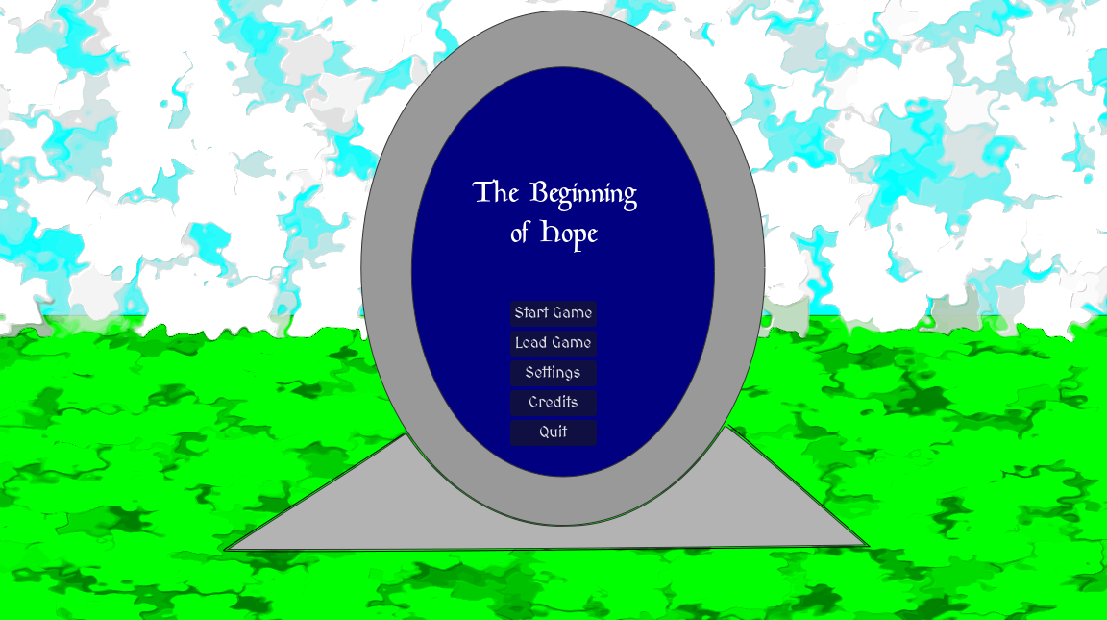 Game Audio
 Inside the Rebellion Soundtrack DLC
A look at the Rebellion Soundtrack DLC on Steam — the original score to Michael Clinesmith's indie RPG, and how to add it to your library.
 Composing
 Hire Michael Clinesmith for a Custom Score
Need original music for your game, film, or video? Composer Michael Clinesmith — creator of Piano Reveries and the Rebellion score — takes custom commissions.